Why Choose CSE Data Science at ACE?
As the digital world becomes increasingly data-driven, the Department of CSE (Data Science) at ACE Engineering College addresses the surging demand for professionals skilled in big data analytics, AI, and intelligent decision-making. The department offers a comprehensive and future-ready B.Tech programme that builds strong foundations in data science through rigorous training in mathematics, statistics, machine learning, data visualisation, and cloud-based technologies.
With a dynamic curriculum aligned to industry requirements, students are exposed to tools like Python, R, OpenCV, Tableau, Oracle, and high-performance GPU-enabled systems. Faculty members with both academic and industry backgrounds lead students through theoretical foundations, hands-on labs, and impactful research projects. By integrating ethics, real-world applications, and high-end computing resources, the department nurtures the next generation of data professionals capable of solving complex challenges across industries.
Accreditation


Vision & Mission
Vision of the Department
Our objective is to cultivate an unparalleled educational journey that empowers individuals to thrive in their chosen professions. We achieve this by immersing students in a dynamic, interactive learning environment while also offering ample opportunities for research and exploration of real-world applications. Our program strives to produce data science professionals who possess exceptional expertise, enabling them to be catalysts of innovation within the industry.
Mission of the Department
Empowering the Future of Technology and Innovation
- At the heart of the CSE Data Science Department’s mission is the goal to develop professionals with a strong understanding of mathematics. By emphasizing subjects such as probability and statistics, linear algebra, and calculus, students are equipped with the necessary tools to analyze and interpret complex data sets. These foundational skills serve as the building blocks for more advanced data science techniques, allowing students to tackle real-world problems with confidence and precision.
- In addition to a solid mathematical foundation, the department is committed to providing students with an education that keeps pace with the rapidly evolving landscape of AI and data science. By staying abreast of the latest technologies and methodologies, students are exposed to the most cutting-edge tools and techniques in the field. This enables them to adapt to the ever-changing demands of the industry and ensures that they are equipped with the skills necessary to excel in their careers.
- Quality education and value-based learning are core principles of the CSE Data Science Department. By imparting knowledge that goes beyond mere technical skills, the department aims to foster a sense of innovation and creativity among its students. By encouraging critical thinking and problem-solving abilities, students are empowered to push the boundaries of what is possible in the field of data science. This commitment to excellence not only benefits the individual students but also contributes to the overall satisfaction of all stakeholders involved.
- The department also recognizes the importance of socially responsive research and innovation. By integrating ethical considerations into the curriculum, students are encouraged to use their skills for the betterment of society. This approach ensures that the impact of data science goes beyond commercial applications and extends into areas such as healthcare, social justice, and sustainability.
- Moreover, the CSE Data Science Department prides itself on its unwavering commitment to harnessing the cutting-edge innovations in high-performance computing hardware and software. By continuously pushing boundaries and embracing technological breakthroughs, the department empowers researchers with the tools they need to analyze and process large datasets in fields such as data science
Curriculum Syllabus
R20 Regulation – CSE(DS)
R22 Regulation – CSE(DS)
R24 Regulation – CSE(DS)
R25 Regulation – CSE(DS)
Program Education Objectives
Program Educational Objectives (PEOs)
- To introduce the fundamentals of science and engineering concepts essential for a data architect / data scientist.
- To inculcate the knowledge of mathematical foundations and algorithmic principles for effective problem solving.
- To provide knowledge in data science for modern computational data analysis and modeling methodologies.
- To provide the knowledge in artificial intelligence techniquesand apply them to develop relevant models and real time products.
- To impart knowledge to analyze, design, test and implement the model required for various applications.
- To hone personality skills, trigger social commitment and inculcate societal responsibilities.
Knowledge and Attitude Profile (WK)
- WK1: A systematic, theory-based understanding of the natural sciences applicable to the discipline and awareness of relevant social sciences.
- WK2: Conceptually-based mathematics, numerical analysis, data analysis, statistics and formal aspects of computer and information science to support detailed analysis and modelling applicable to the discipline.
- WK3: A systematic, theory-based formulation of engineering fundamentals required in the engineering discipline.
- WK4: Engineering specialist knowledge that provides theoretical frameworks and bodies of knowledge for the accepted practice areas in the engineering discipline; much is at the forefront of the discipline.
- WK5: Knowledge, including efficient resource use, environmental impacts, whole-life cost, reuse of resources, net zero carbon, and similar concepts, that supports engineering design and operations in a practice area. WK6: Knowledge of engineering practice (technology) in the practice areas in the engineering discipline.
- WK7: Knowledge of the role of engineering in society and identified issues in engineering practice in the discipline, such as the professional responsibility of an engineer to public safety and sustainable development.
- WK8: Engagement with selected knowledge in the current research literature of the discipline, awareness of the power of critical thinking and creative approaches to evaluate emerging issues.
- WK9: Ethics, inclusive behavior and conduct. Knowledge of professional ethics, responsibilities, and norms of engineering practice. Awareness of the need for diversity by reason of ethnicity, gender, age, physical ability etc. with mutual understanding and respect, and of inclusive attitudes.
Program Outcomes (POs)
- PO1: Engineering Knowledge: Apply knowledge of mathematics, natural science, computing, engineering fundamentals and an engineering specialization as specified in WK1 to WK4 respectively to develop to the solution of complex engineering problems.
- PO2: Problem Analysis: Identify, formulate, review research literature and analyze complex engineering problems reaching substantiated conclusions with consideration for sustainable development. (WK1 to WK4)
- PO3: Design/Development of Solutions: Design creative solutions for complex engineering problems and design/develop systems/components/processes to meet identified needs with consideration for the public health and safety, whole-life cost, net zero carbon, culture, society and environment as required. (WK5)
- PO4: Conduct Investigations of Complex Problems: Conduct investigations of complex engineering problems using research-based knowledge including design of experiments, modelling, analysis & interpretation of data to provide valid conclusions. (WK8)
- PO5: Engineering Tool Usage: Create, select and apply appropriate techniques, resources and modern engineering & IT tools, including prediction and modelling recognizing their limitations to solve complex engineering problems. (WK2 and WK6)
- PO6: The Engineer and The World: Analyze and evaluate societal and environmental aspects while solving complex engineering problems for its impact on sustainability with reference to economy, health, safety, legal framework, culture and environment. (WK1, WK5, and WK7)
- PO7: Ethics: Apply ethical principles and commit to professional ethics, human values, diversity and inclusion; adhere to national & international laws. (WK9)
- PO8: Individual and Collaborative Team work: Function effectively as an individual, and as a member or leader in diverse/multi-disciplinary teams.
- PO9: Communication: Communicate effectively and inclusively within the engineering community and society at large, such as being able to comprehend and write effective reports and design documentation, make effective presentations considering cultural, language, and learning differences
- PO10: Project Management and Finance: Apply knowledge and understanding of engineering management principles and economic decision-making and apply these to one’s own work, as a member and leader in a team, and to manage projects and in multidisciplinary environments.
- PO11: Life-Long Learning: Recognize the need for, and have the preparation and ability for i) independent and life-long learning ii) adaptability to new and emerging technologies and iii) critical thinking in the broadest context of technological change. (WK8)
Program Specific Outcomes (PSOs)
- PSO1: Understand, analyze and develop essential proficiency in the areas related to data science in terms of underlying statistical and computational principles and apply the knowledge to solve practical problems.
- PSO2: Implement data science techniques such as search algorithms, neural networks, machine learning and data analytics for solving a problem and designing novel algorithms for successful career and entrepreneurship.
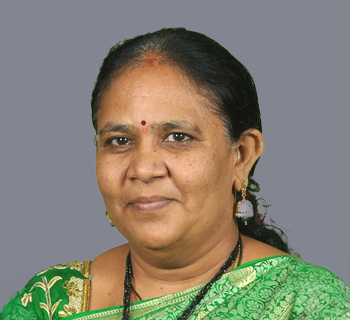
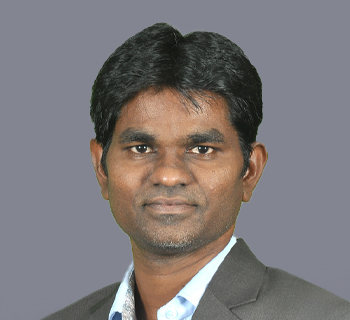
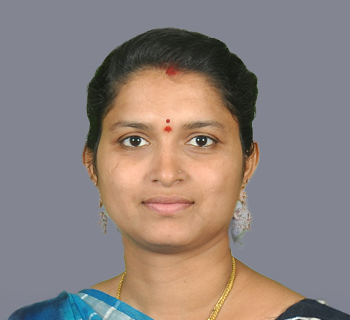
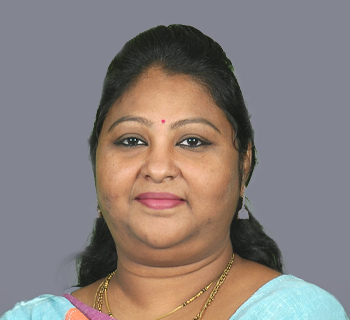
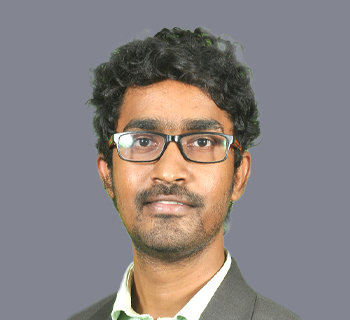
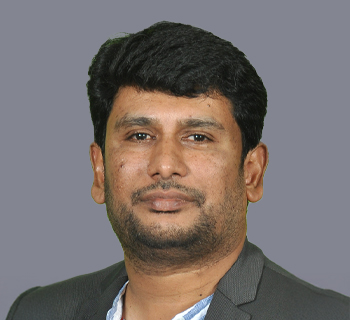
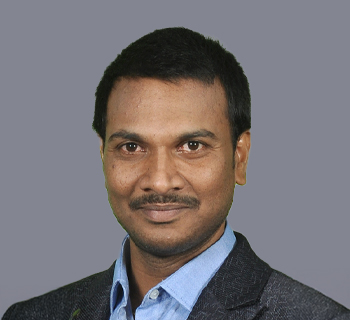
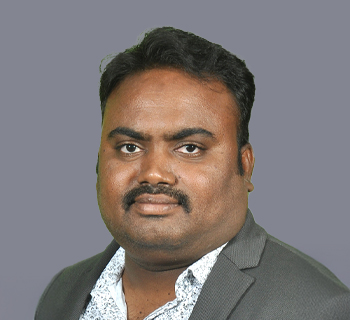
Faculty & Research








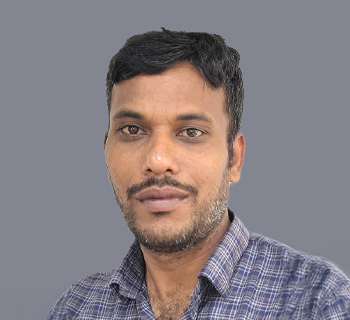

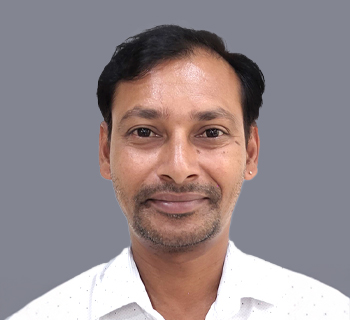



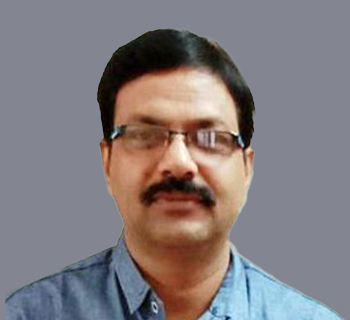
Infrastructure & Labs
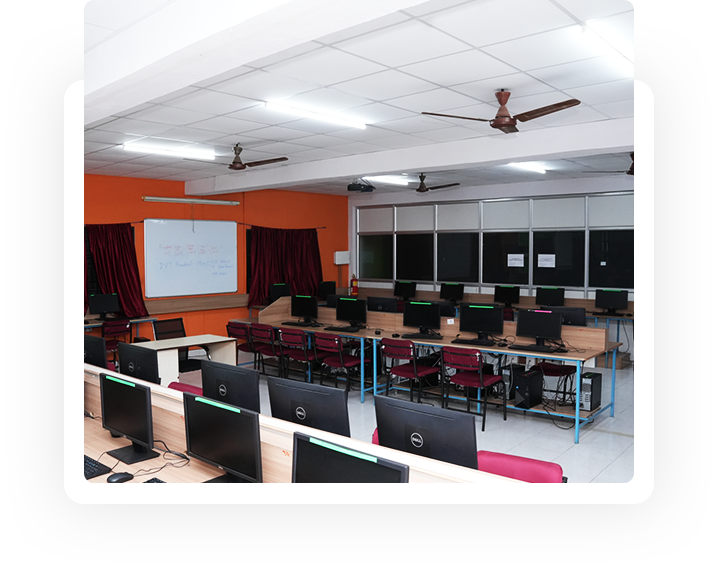
The Department of CSE (Data Science) offers state-of-the-art laboratories equipped for practical learning and research in data science and AI:
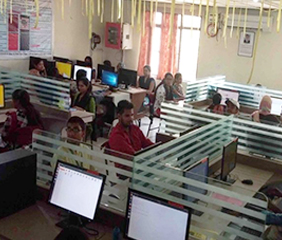
Data Science Lab Equipped with high-performance Dell OptiPlex 7080 systems (Intel i7, 32GB RAM, NVIDIA RTX 2070 GPU) and tools like Python, R, Jupyter Notebook, and Tableau for data analysis and visualisation..
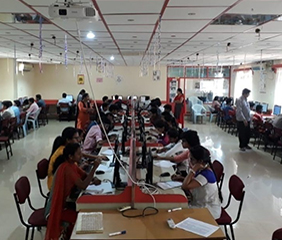
Big Data Analytics Lab Features systems configured for Hadoop, Spark, and Hive for scalable data processing and distributed computing.
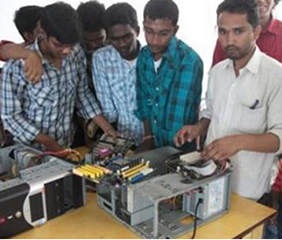
AI & Deep Learning Lab GPU-enabled lab supporting deep learning frameworks such as TensorFlow, Keras, and PyTorch for advanced neural network modelling.

92+
Campus Interviews Conducted

156+
Campus Interviews Conducted

31+
Campus Interviews Conducted

500+
Campus Interviews Conducted
Our Tap Recuiters







Placements Highlights – 2021 – 25
72
Campus Interviews Conducted
9
Programs Available for the Students
46.38L
Highest Package 46.38LPA in Amazon
434
Successful Campus Placements
Our Tap Recuiters
Advisory Board Members
Department faculty
Dr.Ganti Krishna Sharma
See how to handle SVG images
Dr.Ganti Krishna Sharma
See how to handle SVG images
Dr.Ganti Krishna Sharma
See how to handle SVG images
Department faculty
Dr.Ganti Krishna Sharma
See how to handle SVG images
Dr.Ganti Krishna Sharma
See how to handle SVG images
Dr.Ganti Krishna Sharma
See how to handle SVG images
Dr.Ganti Krishna Sharma
See how to handle SVG images
Dr.Ganti Krishna Sharma
See how to handle SVG images
Dr.Ganti Krishna Sharma
See how to handle SVG images
Students
Dr.Ganti Krishna Sharma
See how to handle SVG images
Dr.Ganti Krishna Sharma
See how to handle SVG images
Dr.Ganti Krishna Sharma
See how to handle SVG images
Dr.Ganti Krishna Sharma
See how to handle SVG images
Dr.Ganti Krishna Sharma
See how to handle SVG images
Dr.Ganti Krishna Sharma
See how to handle SVG images
Parents
Dr.Ganti Krishna Sharma
See how to handle SVG images
Dr.Ganti Krishna Sharma
See how to handle SVG images
Alumni
Dr.Ganti Krishna Sharma
See how to handle SVG images
Dr.Ganti Krishna Sharma
See how to handle SVG images
Professional Bodies Members
Dr.Ganti Krishna Sharma
See how to handle SVG images
Dr.Ganti Krishna Sharma
See how to handle SVG images
Employers
Dr.Ganti Krishna Sharma
See how to handle SVG images
Dr.Ganti Krishna Sharma
See how to handle SVG images
Advisory Board Members
Head of the Department
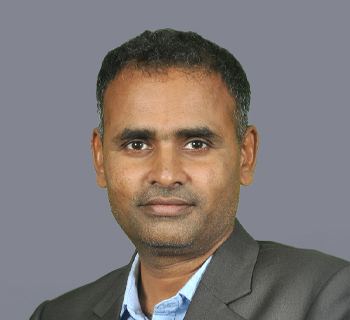
Dr.PANDI. CHIRANJEEVI
Professor & HOD of CSE(Data Science)
Department Faculty
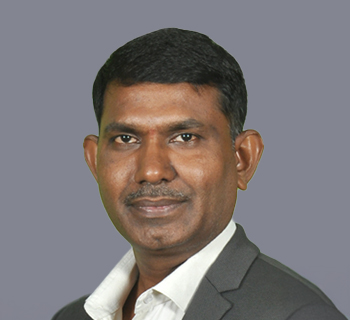
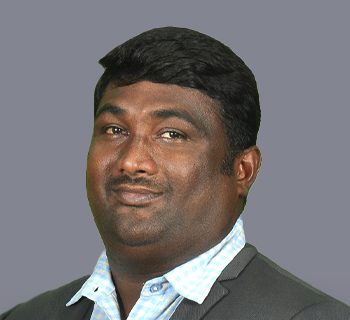
Dr.P. Ashok Kumar
Professor
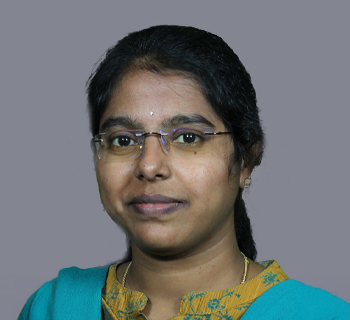
Mr. KommuKiranBabu
Associate Professor
Dr.Ralla Suresh
Professor
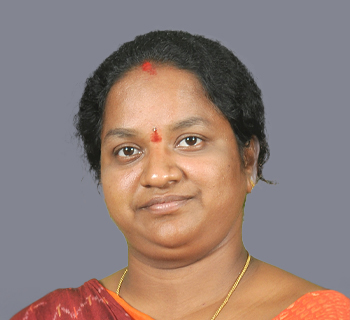
Mrs. B. Saritha
Associate Professor
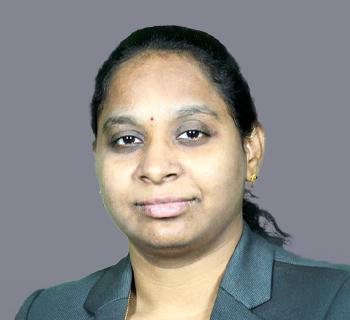
Mrs. A Sarala Devi
Associate Professor
Students
Kaleru Sai Nikith
IV CSD
Yata Rushthianjala
IV CSD
V. Archana
IV CSD
Valala Mounika
IV CSD
Parents
S. Ramchander
Licensing Officer, JIO
Vallala Chandraiaah
Colgate Company
Alumni
B. Pravalika
PEGA Systems
G. Soujanya
PEGA Systems
Professional Bodies Members
Mr.Santosh Kumar Satnami
Secretary, CSI Hyderabad Chapter
Mohammed Jaffer Pasha
Senior Technical Trainer, TASK, Telangana
Employers
Ch. Murali Krishna
Senior Software Engineer Vertex Offshore Services Pvt Ltd
Mr. Hari Korivi
Oracle India Pvt Ltd, Senior Software Developer
Roll Of Honour
| S.No | Batch | Hall Ticket Number | Student Name | CGPA/Percentage | Photograph |
| 1 | 2020-2024 | 20AG1A6703 | AENUGU AKSHITHA | 9.26 |

|
Events & Activities
No upcoming events found.